
Introduction
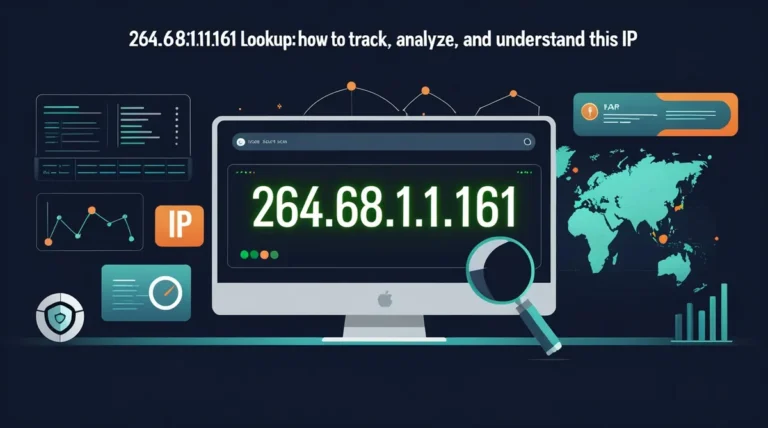
You might have come across 264.68.111.161 when browsing network logs, online security reports, or even while checking your device’s connection details. At first glance, an IP address like this may seem like just a string of numbers. But in reality, it’s more than that. It represents a point of access on the internet, a way data travels, and sometimes even a gateway for cyber threats.
In this article, I’ll guide you through what 264.68.111.161 is, why it matters, and how it affects you online. We’ll explore both the positive and negative sides—from legitimate uses to potential risks. By the end, you’ll have a clear understanding of how this IP address operates and what steps you can take to manage it safely.
Whether you’re tech-savvy or just curious, this guide is for you. I’ll break things down in simple terms, answer common questions, and share practical tips. Let’s dive in.
What Is 264.68.111.161?
Understanding the Basics of an IP Address
An IP address is like a digital home address for your devices on the internet. It allows computers, phones, and servers to communicate. Every time you browse a website, stream a video, or send an email, your IP address plays a part in making sure your data reaches the right destination.
264.68.111.161 is an example of such an address. It can identify a specific device or network. However, the format of this IP seems unusual because valid IPv4 addresses typically range from 0.0.0.0 to 255.255.255.255. This might suggest a typographical error, but for the sake of discussion, we can explore it as if it were a standard IPv4 address.
Types of IP Addresses
IP addresses generally fall into two main categories:
- Public IPs: These are visible on the internet. Websites, servers, and online services see your public IP.
- Private IPs: These stay within your local network. Devices in your home or office might use private IPs to communicate without exposing themselves online.
264.68.111.161, if it were a valid public IP, would typically identify a device or server on the wider internet.
How 264.68.111.161 Is Used
Legitimate Uses
There are many legitimate reasons an IP address like 264.68.111.161 might appear:
- Connecting to websites: Every time you visit a site, your IP helps route your request.
- Online gaming: Servers identify players using IPs to match them with nearby players for better performance.
- Remote access: Some companies allow employees to connect to their office networks securely using specific IPs.
Potential Risks
While IP addresses are essential, they can also be exploited. Hackers or malicious websites might use IPs to:
- Track locations: IPs can give a rough estimate of your geographical location.
- Launch attacks: If a hacker knows your IP, they could attempt to access your system.
- Inject malware: Unsuspecting users might be targeted through suspicious connections linked to an IP.
Understanding these risks helps you stay vigilant without overreacting. Most IP addresses you encounter are harmless, but awareness is key.
How to Check 264.68.111.161
Checking an IP address can provide insight into its origin and behavior. Here’s how you can do it safely:
- Online IP Lookup Tools: Sites like WhatIsMyIP or IPLocation can give you details about a public IP.
- Network Utilities: If you’re on a computer, tools like
pingortracertcan trace the route of an IP. - Security Software: Antivirus programs sometimes alert you if a suspicious IP tries to connect.
These methods are straightforward and don’t require advanced knowledge. Personally, I always check unknown IPs if they appear repeatedly in my network logs. It’s a simple step that can prevent headaches later.

Signs 264.68.111.161 Might Be Malicious
You don’t have to panic if you see an IP in your logs, but you should look out for these signs:
- Repeated connection attempts from the same IP.
- Unexpected activity on your accounts or devices.
- Blocked access warnings from your firewall or security software.
If any of these occur, it’s wise to investigate further. Often, it’s just routine network activity, but sometimes it can point to a vulnerability.
How to Protect Yourself From IP Risks
Safety is all about proactive measures. Here are practical ways to protect yourself:
Use Firewalls
Firewalls act like a security gate for your network. They can block suspicious IPs from connecting to your devices. Both hardware and software firewalls are effective.
Update Your Software
Hackers often exploit outdated systems. Keep your operating system, apps, and security programs updated.
VPNs for Privacy
A VPN masks your real IP address, making it harder for others to track your location or target your device. This is especially useful on public Wi-Fi.
Monitor Your Network
Regularly checking your network logs helps you spot unusual activity. I personally schedule a weekly scan to stay ahead of potential issues.
Real-Life Example
Imagine this scenario: You see 264.68.111.161 repeatedly in your network log. At first, you ignore it. A week later, you notice strange logins on your accounts. A quick lookup shows the IP is registered in a location you’ve never visited. Because you had monitoring in place, you quickly block the connection and secure your accounts.
Situations like this highlight why understanding IP addresses matters. It’s not about fear—it’s about awareness.
Common Questions About 264.68.111.161
Can I find the exact location of an IP?
Not exactly. IPs give a rough location, usually down to the city level. They can’t pinpoint your home address.
Is 264.68.111.161 safe to interact with?
Most IPs are safe. Be cautious if it repeatedly attempts to connect or triggers warnings from your firewall.
Can my IP be changed?
Yes. You can request a new public IP from your ISP or use a VPN to mask it.
Does hiding my IP protect me completely?
It helps a lot but is not foolproof. Combine VPN use with strong security practices.
Can IPs track my online activity?
Yes. Websites and services often log IP addresses, but combined with other data, it can profile your activity.
Conclusion
Understanding 264.68.111.161 shows how important IP addresses are in our daily digital lives. They connect us to the internet, enable communication, and sometimes pose risks. By knowing how to check, monitor, and protect against suspicious IP activity, you stay safe without feeling overwhelmed.
Next time you see an unfamiliar IP, remember: awareness is your best defense. Take a moment to investigate, use the tools available, and protect your digital space. Have you checked your network lately? You might be surprised by what you find.
FAQs
1. What is 264.68.111.161 used for?
It identifies a device or server on the internet. Legitimate uses include browsing, gaming, and remote access.
2. Can 264.68.111.161 be dangerous?
Potentially. Malicious actors can exploit IPs to track, attack, or target devices.
3. How do I check this IP safely?
Use online lookup tools, network utilities, or security software to investigate without connecting directly.
4. Should I block 264.68.111.161?
Only if you notice repeated suspicious activity. Most IPs are harmless.
5. Can my IP reveal my home address?
Not exactly. It can estimate your city but not your precise location.
6. How can I hide my IP?
A VPN or proxy can mask your IP, adding a layer of privacy.
7. Does updating software affect IP security?
Yes. Updated systems are less vulnerable to attacks that exploit IP addresses.
8. Can IP monitoring prevent hacking?
It helps you detect suspicious activity early, which can prevent potential breaches.
9. Is 264.68.111.161 a public or private IP?
Assuming it’s valid, it would be a public IP. Private IPs usually follow reserved ranges.
10. How often should I check my IP activity?
Weekly or monthly checks are a good balance between vigilance and convenience.






Leave a Reply