
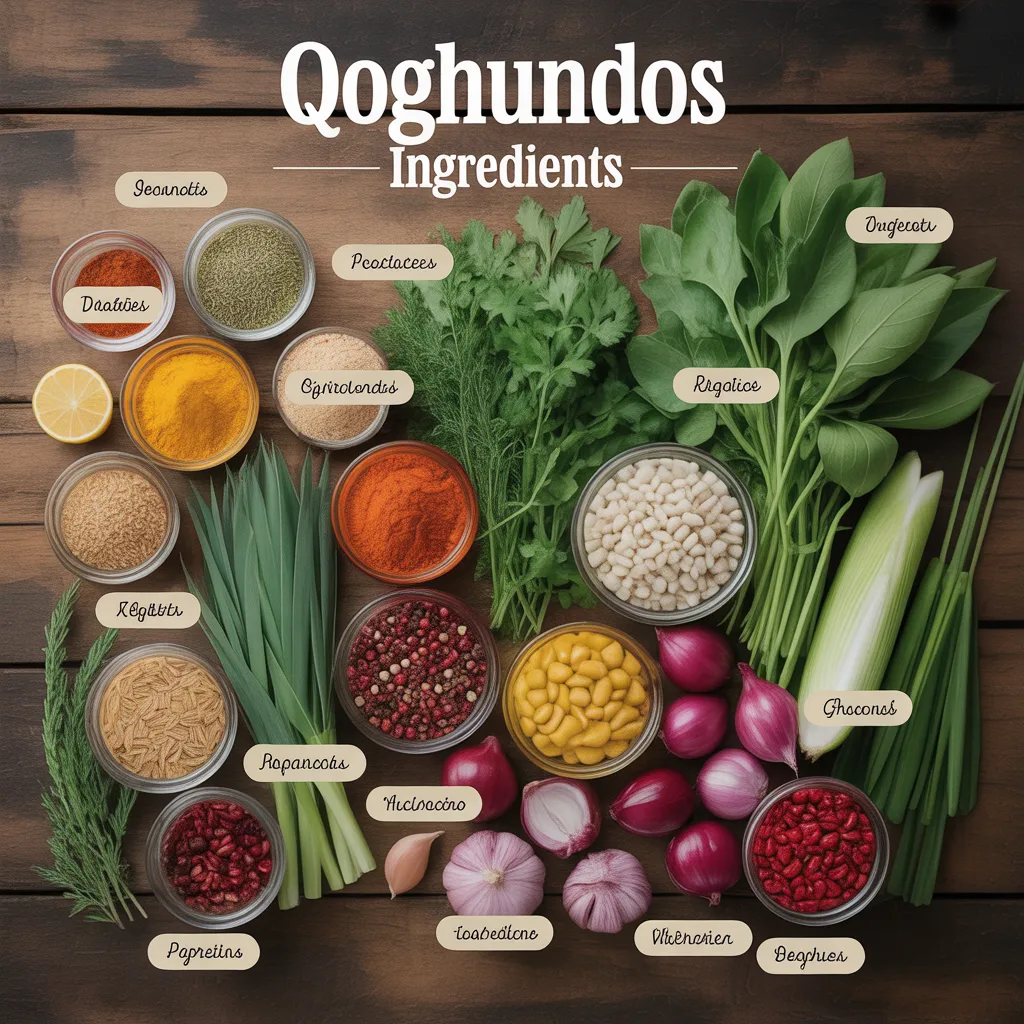
You know that feeling when you pick up a package, flip it over, and the ingredients list looks like a chemistry experiment gone wrong? I have been there more times than I can count. You want to feel good about what you are putting into your body, but the fine print often raises more questions than answers. That is exactly why we need to talk about qoghundos ingredients.
Whether you are a long-time fan or just curious about trying them for the first time, understanding what is actually inside matters. It is not just about taste or texture. It is about knowing what you are consuming, how it might affect your energy, your digestion, and your overall well-being.
In this article, we will walk through the common components found in these products. We will separate the helpful from the harmful, highlight the red flags to watch for, and give you the tools to make an informed choice. By the time you finish reading, you will feel confident reading any label. Let us get started.
What Exactly Are Qoghundos?
Before we dive into the details, it helps to understand what we are talking about. Qoghundos ingredients vary widely depending on the brand, the intended use, and the target audience. Some versions are designed as quick energy sources. Others are marketed as health supplements or meal replacements.
In simple terms, qoghundos are typically processed food products that combine a base ingredient—like grains, proteins, or starches—with a blend of added flavors, preservatives, and nutritional boosters. They come in bars, powders, or ready-to-eat formats.
The challenge is that not all formulations are created equal. One version might be packed with whole foods and natural sweeteners, while another is loaded with artificial additives and hidden sugars. That is why learning to decode the label is your best defense.
The Foundation: Base Ingredients
Every product starts with a foundation. When you look at qoghundos ingredients, the first one or two items listed make up the bulk of what you are eating. This is where quality really begins.
Whole Grains and Starches
Many versions use oats, brown rice, quinoa, or tapioca starch as a base. These are generally good signs. Oats provide soluble fiber, which helps with cholesterol and keeps you full longer. Quinoa adds a complete protein profile, which is rare for a plant-based ingredient.
On the flip side, some brands use refined flours or highly processed starches like maltodextrin. Maltodextrin is a common filler. It adds bulk but offers little nutritional value. It can also spike your blood sugar faster than table sugar.
Protein Sources
Protein is a major selling point. You will often see whey protein, soy protein isolate, or pea protein listed. Whey is a complete protein and digests quickly, making it great for post-workout recovery. However, it can be problematic if you are lactose intolerant.
Soy protein isolate is a controversial one. While it is a complete protein, it is highly processed. Some studies suggest excessive intake may impact hormone levels, though moderate consumption is generally considered safe for most people.
Pea protein is a fantastic plant-based alternative. It is hypoallergenic, easily digestible, and sustainable. If you see that near the top of the list, you are likely looking at a higher-quality product.
The Sweetener Trap
This is where things get tricky. Sweeteners can make or break a product. Many qoghundos ingredients lists hide sugar under dozens of different names. You might not see the word “sugar” at all, but that does not mean it is not there.
Natural Sweeteners
Some options use honey, maple syrup, coconut sugar, or dates. These are less processed and often contain trace minerals or antioxidants. They still count as sugar, so moderation matters, but they are generally a better choice than refined alternatives.
Monk fruit and stevia are non-nutritive sweeteners. They add sweetness without calories and do not affect blood sugar. If you are watching your glucose levels, these are excellent choices.
Artificial Sweeteners to Watch
Sucralose, aspartame, and acesulfame potassium appear frequently in lower-cost versions. These provide sweetness without calories, but research on their long-term effects is mixed. Some people report digestive issues or headaches after consuming them.
High-fructose corn syrup is another red flag. It is linked to inflammation, liver stress, and increased appetite. If you see that on the label, it is worth putting the package back on the shelf.
Fats: The Good, The Bad, and The Hidden
Fats play a crucial role in flavor and texture. They also help your body absorb fat-soluble vitamins. But not all fats are created equal.
Beneficial Fats
Look for ingredients like coconut oil, cocoa butter, almond butter, or sunflower seeds. These provide healthy fats that support brain function and hormone production. Coconut oil contains medium-chain triglycerides, which are metabolized differently and may provide quick energy.
Nut butters add richness and protein. They also help bind ingredients together without the need for artificial gums or fillers.
Problematic Fats
Partially hydrogenated oils are the ones to avoid. These are trans fats, even if the label says “0 grams.” Manufacturers can round down if the amount is less than 0.5 grams per serving. But if you eat more than one serving, those numbers add up.
Palm oil is a common ingredient. It is not inherently harmful, but its environmental impact is significant. If sustainability matters to you, this is something to consider.
Preservatives and Additives
Processed foods need preservation to sit on shelves for months. The question is how that preservation happens.
Natural Preservatives
Vitamin E (tocopherols) and rosemary extract are excellent natural options. They prevent oils from going rancid without introducing synthetic chemicals. Citric acid is another common additive that helps maintain freshness.
Synthetic Additives to Question
BHA and BHT are synthetic preservatives used to extend shelf life. They are approved for use, but some animal studies have raised concerns about potential cancer risks. While regulatory bodies consider them safe in small amounts, many consumers prefer to avoid them.
Artificial colors are another area of concern. If you see Red 40, Yellow 5, or Blue 1 on the list, those are synthetic dyes. They add visual appeal but offer no nutritional benefit. Some studies link them to behavioral issues in sensitive children.
Fiber and Prebiotics
Fiber is essential for digestive health. Many products add it intentionally to boost the nutritional profile.
Good Fiber Sources
Inulin, chicory root fiber, and soluble corn fiber are common additions. Inulin is a prebiotic, meaning it feeds the good bacteria in your gut. That is a definite positive.
However, there is a catch. If you are not used to a high-fiber diet, starting with a product loaded with inulin can cause bloating, gas, or cramping. Your gut needs time to adjust. If you have irritable bowel syndrome, chicory root fiber can be particularly triggering.
Whole Food Fiber
The best fiber comes from whole food sources like oats, nuts, seeds, and fruit. These provide fiber along with vitamins, minerals, and phytonutrients. When you see these listed, you know the product is built on real food, not just isolated components.
Vitamins and Minerals: Fortification
Many qoghundos are fortified with added vitamins and minerals. This sounds great in theory. And sometimes, it is.
Fortification can help fill nutritional gaps. If you struggle to get enough calcium, iron, or B vitamins from your regular diet, a fortified product can be helpful.
But there is a difference between food-based nutrients and synthetic isolates. Synthetic vitamins are not always absorbed as efficiently as those from whole foods. Also, some brands add excessive amounts. Getting megadoses of certain vitamins regularly is not always necessary and can sometimes cause imbalances.
If you already take a multivitamin, pay attention to the levels in your food. You do not want to accidentally double up on something like zinc or vitamin A consistently.
How to Read the Label Like a Pro
Let us put this all together. When you pick up a package, you have the power to evaluate qoghundos ingredients quickly and confidently.
Start with the Ingredient List
Ingredients are listed by weight, from most to least. If sugar or a refined starch is in the first three ingredients, that product is mostly filler and sweetener.
I always look for short lists. A shorter list usually means less processing. If I cannot pronounce half the items, I tend to put it back.
Check the Serving Size
Manufacturers are clever. They often set a serving size that is unrealistically small. A bar might be labeled as two servings even though most people eat the whole thing. Always multiply the numbers by how much you will actually consume.
Look for Third-Party Certifications
Certifications can add a layer of trust. Non-GMO Project Verified means the ingredients are not derived from genetically modified crops. USDA Organic requires that ingredients are grown without synthetic pesticides or fertilizers.
These labels are not guarantees of health, but they do indicate a higher level of ingredient quality and transparency.
Red Flags You Should Never Ignore
Over the years, I have developed a mental checklist of ingredients that make me pause. You can use the same list.
-
Partially hydrogenated oils: These indicate trans fats, regardless of what the nutrition label says.
-
Artificial sweeteners: Especially if you are sensitive to them.
-
Long lists of gums and thickeners: Xanthan gum, carrageenan, and guar gum are common. A small amount is fine, but when you see multiple types in one product, it is a sign the base ingredients are weak.
-
“Natural flavors”: This term is vague. It can mean anything from a natural extract to a chemically processed flavoring. There is no way to know without asking the manufacturer.
-
Soy protein isolate: If you are avoiding highly processed foods, this is one to watch.
The Impact on Your Body
What you eat affects how you feel. The right combination of qoghundos ingredients can provide steady energy, stable mood, and good digestion. The wrong combination can do the opposite.
Energy Levels
Products high in refined sugars and low in protein or fat will give you a quick spike followed by a crash. You feel great for thirty minutes, then sluggish and hungry again. Look for balanced macros instead.
Digestion
If you experience bloating or discomfort after eating, check for sugar alcohols like erythritol or xylitol. Also, look at the fiber sources. Your gut might be telling you something about those ingredients.
Skin and Inflammation
Some people notice skin breakouts or joint stiffness after consuming certain additives. This is often a reaction to dairy-based proteins, artificial ingredients, or excessive sugar.

When Are Qoghundos a Good Choice?
Despite the potential pitfalls, there are times when these products make sense. They offer convenience that is hard to beat.
They are excellent for travel. When you are on the road and healthy options are scarce, having a reliable bar or packet in your bag can keep you from making worse choices.
They work well for athletes. After a hard workout, your body needs quick protein and carbohydrates. A well-formulated option can aid recovery better than a whole meal when time is tight.
They are helpful for meal prep. If you struggle to eat breakfast or need a midday snack, having something shelf-stable removes the excuse to skip a meal.
The key is to be selective. Not every product on the shelf is worth your money or your health.
My Personal Approach
I will be honest with you. I used to grab whatever bar looked appealing without reading the label. Then I started noticing that some would leave me feeling great, while others would make me feel foggy and bloated.
So I started experimenting. I kept a notebook for a few weeks. I wrote down what I ate and how I felt an hour later and again after three hours.
The pattern was clear. Products with whole food bases, natural sweeteners, and minimal additives worked best for me. Products with artificial sweeteners or long chemical names consistently caused issues.
Now, I have a rule. If I do not recognize more than half of the ingredients, I do not buy it. That simple habit has saved me from countless bad experiences.
How to Find High-Quality Options
You do not have to be a nutrition expert to make good choices. You just need a system.
Step One: Scan the Front
Ignore the big claims like “high protein” or “all natural.” Marketing is not regulation. Flip the package over immediately.
Step Two: Read the Ingredients
Look for whole foods. If you see oats, nuts, seeds, dried fruit, or cocoa, that is a great start. Count how many ingredients are listed. Fewer is generally better.
Step Three: Evaluate the Macros
Look at the grams of protein, fat, and sugar. A balanced option usually has at least 5–7 grams of protein, some healthy fats, and no more than 8–10 grams of sugar.
Step Four: Consider Your Goals
If you are using it for a meal replacement, aim for higher protein and fiber. If it is a pre-workout snack, you may want more carbohydrates. Match the product to your specific need.
Common Myths About Processed Ingredients
There is a lot of misinformation out there. Let us clear up a few common myths.
Myth: “If it is organic, it is healthy.”
Organic refers to how ingredients are grown. It does not mean the product is low in sugar or free from processed components. You can have an organic product that is still loaded with organic cane sugar and organic palm oil. The label is one factor, not the whole story.
Myth: “Natural flavors are harmless.”
Natural flavors start as plant or animal sources, but they undergo significant processing. They often contain solvents, preservatives, and emulsifiers that are not disclosed. They are not automatically better than artificial flavors.
Myth: “Zero sugar means zero problems.”
Sugar-free products often rely on sugar alcohols or artificial sweeteners. For some people, these cause digestive distress or cravings. Zero sugar does not guarantee a healthy product.
Conclusion
Understanding qoghundos ingredients is not about being paranoid. It is about being empowered. When you know what to look for, you take control of your health and your choices.
Remember to start with the base ingredients. Look for whole grains, quality proteins, and real fats. Watch out for hidden sugars, artificial additives, and misleading serving sizes. Use certifications as helpful guides, not guarantees. And most importantly, pay attention to how your body responds. You are the best judge of what works for you.
Now I want to hear from you. Have you ever been surprised by something you found on an ingredient label? What is your number one rule when shopping for packaged foods? Drop your thoughts in the comments. Your experience might help someone else make a smarter choice.
Frequently Asked Questions
1. What are the most important qoghundos ingredients to look for?
Look for whole food ingredients like oats, nuts, seeds, and natural sweeteners such as dates or honey. Avoid partially hydrogenated oils, artificial sweeteners, and long lists of chemical additives.
2. Are sugar alcohols safe in qoghundos?
Sugar alcohols like erythritol and xylitol are safe for most people but can cause bloating, gas, or diarrhea if consumed in large amounts or if you are sensitive to them.
3. How can I tell if a product has too much sugar?
Check the ingredients list first. If sugar appears within the first three ingredients, the product is sugar-heavy. Also, look for less than 8–10 grams of sugar per serving for a balanced option.
4. Do I need to avoid soy protein isolate?
Not necessarily. Moderate consumption is generally considered safe. However, if you prefer whole foods or have thyroid concerns, you may want to choose products with pea or rice protein instead.
5. What does “natural flavors” really mean?
Natural flavors are derived from plant or animal sources but are highly processed. They are not regulated as strictly as whole food ingredients, and manufacturers are not required to disclose the full composition.
6. Can qoghundos replace a meal?
Some can, especially if they contain at least 10–15 grams of protein, 5–8 grams of fiber, and healthy fats. Always check the label to ensure the nutrition profile matches meal replacement standards.
7. Why do some qoghundos cause bloating?
Bloating often comes from sugar alcohols, high-fiber ingredients like inulin, or certain protein concentrates. If you experience this, try a version with simpler, whole-food ingredients.
8. Are there any certifications I should look for?
Non-GMO Project Verified, USDA Organic, and Certified Gluten-Free are helpful certifications. They indicate higher standards for sourcing and processing.
9. How long do qoghundos typically last?
Shelf life varies by formulation. Products with natural preservatives typically last 6–12 months. Always check the expiration date and store them in a cool, dry place.
10. What is the best way to store them?
Keep them in a cool, dry pantry away from direct sunlight. If the product contains chocolate or nut butters, storing it in the refrigerator can prevent melting and extend freshness




Leave a Reply