
Introduction
If you’ve ever come across the IP address 172.16.252.214:4300, you might have wondered what it really means and how it’s used. You’re not alone—many people see addresses like this and assume they are either dangerous or technical in ways that are hard to understand. In reality, this address can serve multiple purposes, and understanding it is crucial for anyone working with networks, servers, or internet configurations.
In this article, we’ll explore 172.16.252.214:4300, including how it functions, potential risks, and how you can safely interact with it. By the end, you’ll have a clear understanding of what this IP address represents, how it’s typically used, and what precautions to take. Whether you’re a tech enthusiast, a student, or just curious, this guide is designed to give you practical insights without overwhelming jargon.
What Is 172.16.252.214:4300?
Understanding IP Addresses
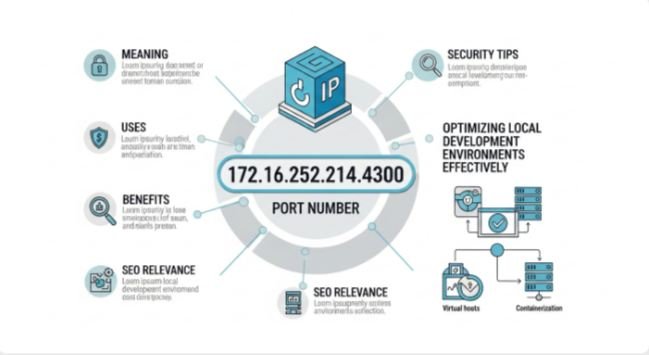
An IP address is essentially a digital home address for devices on a network. 172.16.252.214 falls into the private IP range, meaning it’s meant for use within private networks like your home, school, or office. Private IPs are not directly accessible from the internet, which makes them safer for internal communication.
The :4300 part is a port number. Ports help direct traffic to specific services or applications on a device. For example, a web server might use port 80, while a different service might use port 4300. Together, the IP and port identify a unique destination within a network.
Why This IP Is Important
- Network Management: IT administrators often assign addresses like this to monitor devices or manage servers.
- Security: Using private IPs ensures that internal systems aren’t exposed to the wider internet.
- Customization: Services can be set up to run on specific ports, giving you flexibility.
Common Uses of 172.16.252.214:4300
Home Networks
You might see an IP like 172.16.252.214:4300 on your router or home server. It could be assigned to:
- Smart devices like cameras or smart TVs
- Local file servers
- Media streaming services
By using this private IP, devices communicate securely without exposing sensitive data to external networks.
Enterprise and Office Environments
Businesses rely heavily on private IPs for internal services. For example:
- Employee intranet systems
- Internal databases
- Application servers running on specific ports
In offices, using 172.16.x.x addresses is common because they fall under the RFC 1918 private IP range.
Special Applications
Some specialized software might need a specific port like 4300. For instance, certain games, IoT devices, or internal testing applications may require connecting to a unique port on a private IP.
How to Access 172.16.252.214:4300 Safely
Step-by-Step Guide
- Identify the Device: Make sure you know which device is assigned this IP.
- Check Network Access: Ensure you’re on the same network. Private IPs can’t be reached from outside.
- Use the Correct Protocol: Ports often correspond to services. Verify whether the service expects HTTP, HTTPS, or another protocol.
- Firewall Settings: Ensure your firewall allows access to port 4300 without exposing other ports.
- Login Credentials: If a service is running, use the proper username and password. Avoid default or weak credentials.
Tools You Can Use
- Ping or Traceroute: Check connectivity
- Network Scanners: Identify active devices on your network
- Browser or Client Software: Connect using the required protocol
Potential Risks and How to Avoid Them
Even though 172.16.252.214:4300 is a private IP, risks exist:
Misconfiguration
If your network or port settings are incorrect, devices might become inaccessible or vulnerable. Always double-check your settings before changing ports or IP addresses.
Unauthorized Access
If credentials are weak or shared, someone on your network could access devices they shouldn’t. Always use strong, unique passwords.
Malware or Exploits
Some malware targets internal networks. If a device on 172.16.252.214:4300 is infected, it could compromise your network. Keep software updated and monitor unusual activity.
Tip: Regularly audit connected devices to ensure only authorized devices are active.
Benefits of Using Private IPs like 172.16.252.214
- Enhanced Security: Not exposed to the internet directly
- Network Organization: Easier to manage devices internally
- Reduced Conflicts: Less chance of IP overlap with external networks
- Customizability: Allows assigning unique ports for specific services
Real-Life Example
When I set up a home media server, assigning a private IP with a dedicated port allowed me to stream content to different devices without conflicts. I could control access easily and keep the system secure.
Advanced Tips for Managing 172.16.252.214:4300
Dynamic vs Static IPs
Decide whether to assign the IP dynamically (DHCP) or statically. Static IPs are useful for servers, while dynamic IPs are easier for temporary devices.
Port Forwarding
If you need remote access, port forwarding can direct external traffic safely. Always limit forwarding to trusted services and monitor usage.
Monitoring Traffic
Use network monitoring tools to track traffic through 172.16.252.214:4300. This helps detect unusual activity and maintain performance.
Troubleshooting Common Issues
- Device Not Responding: Check network connection and firewall
- Port Blocked: Ensure port 4300 is open in firewall and router settings
- Wrong Protocol: Confirm the service is using the expected protocol (HTTP, HTTPS, FTP, etc.)
Conclusion
Understanding 172.16.252.214:4300 is crucial for anyone managing networks, servers, or home systems. It’s more than just numbers—it represents a private, flexible, and secure way to manage internal devices. By following best practices, you can maximize its benefits while minimizing risks.
Have you ever experimented with private IPs in your network? How did it go? Sharing your experience could help others learn faster.
FAQs
1. Can I access 172.16.252.214:4300 from the internet?
No, this is a private IP. You must be on the same network or use secure VPN/port forwarding.
2. What is the purpose of port 4300?
Ports help direct traffic to specific services. Port 4300 could be used by software or servers within the network.
3. Is it safe to use 172.16.252.214:4300?
Yes, as long as your network is secure and devices are properly configured.
4. How do I check if the device is active?
Use tools like ping, traceroute, or network scanners to verify connectivity.
5. Can multiple devices share the same IP?
No, each device needs a unique IP on the same network to avoid conflicts.
6. Should I assign this IP statically or dynamically?
Static IPs are ideal for servers or devices you need to access regularly. Dynamic is fine for temporary or guest devices.
7. How do I protect the port 4300 from unauthorized access?
Use strong passwords, firewall rules, and network monitoring.
8. Can malware exploit private IPs like 172.16.252.214?
Yes, if a device is infected, it can affect your network. Keep software updated and monitor for unusual activity.
9. Is 172.16.252.214:4300 used in homes or only in businesses?
Both. It’s common in home networks for devices and in businesses for servers and internal applications.
10. Can I change the port number?
Yes, but ensure the service running on it is updated to the new port, and firewall rules are adjusted.





Leave a Reply